Step-by-Step Process of Slope Stabilization Using Shotcreting Services

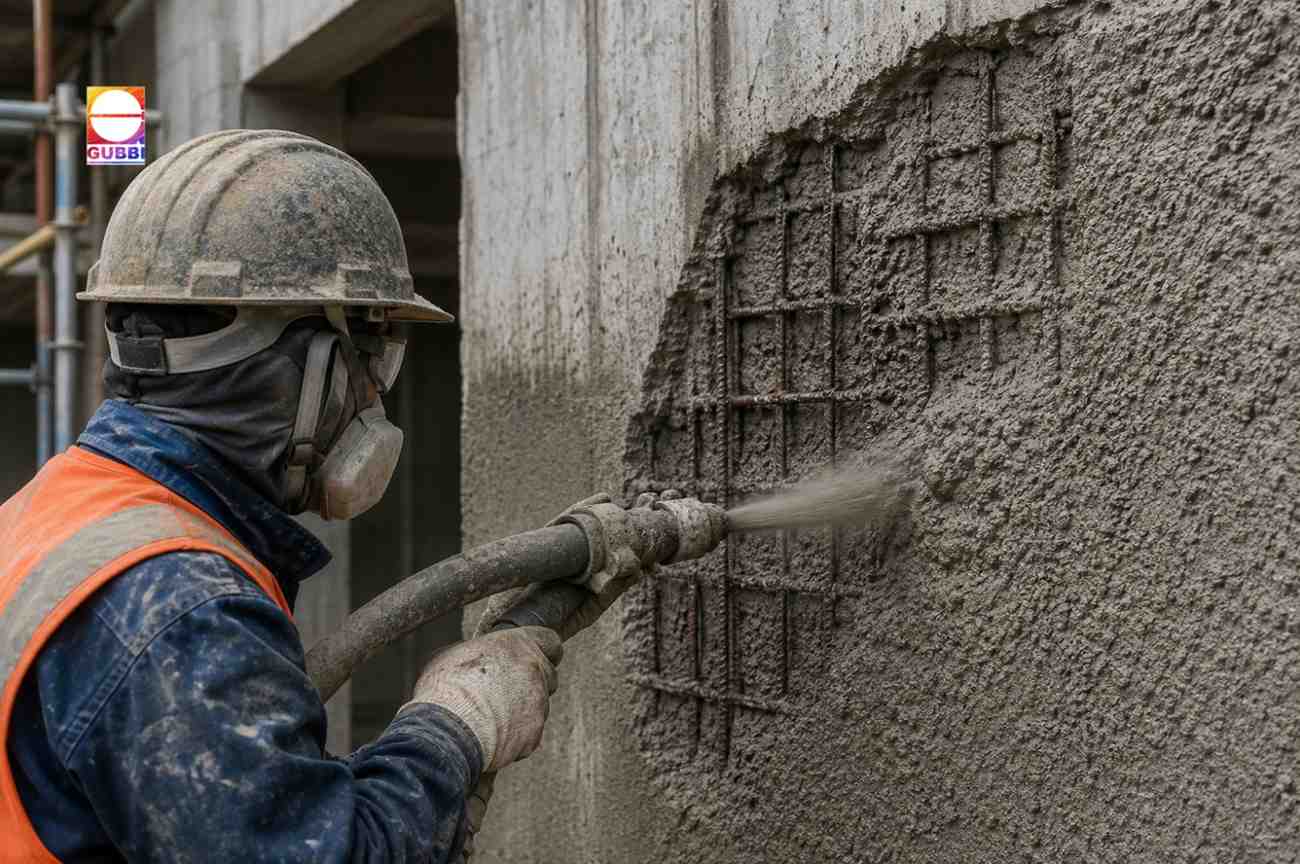
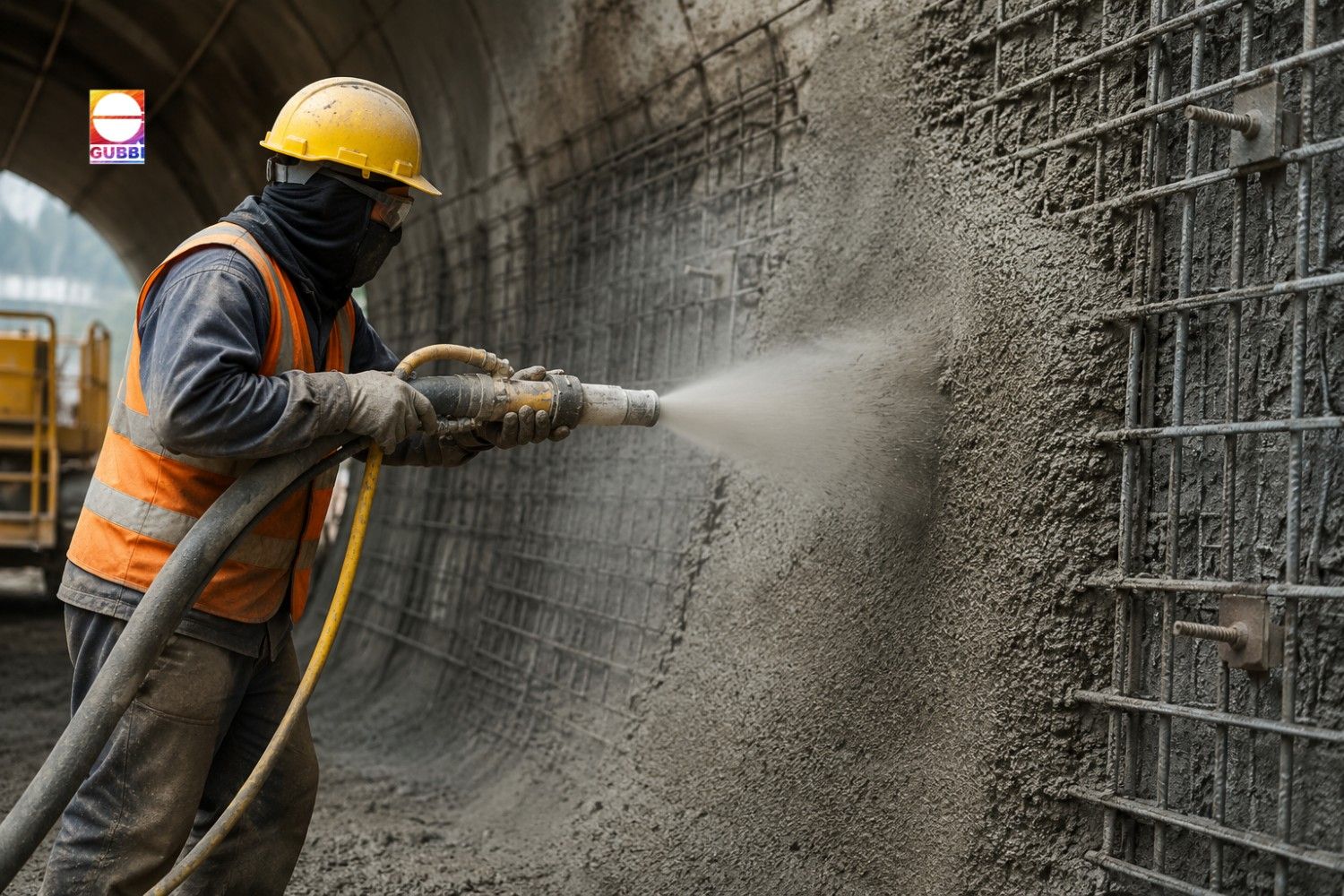
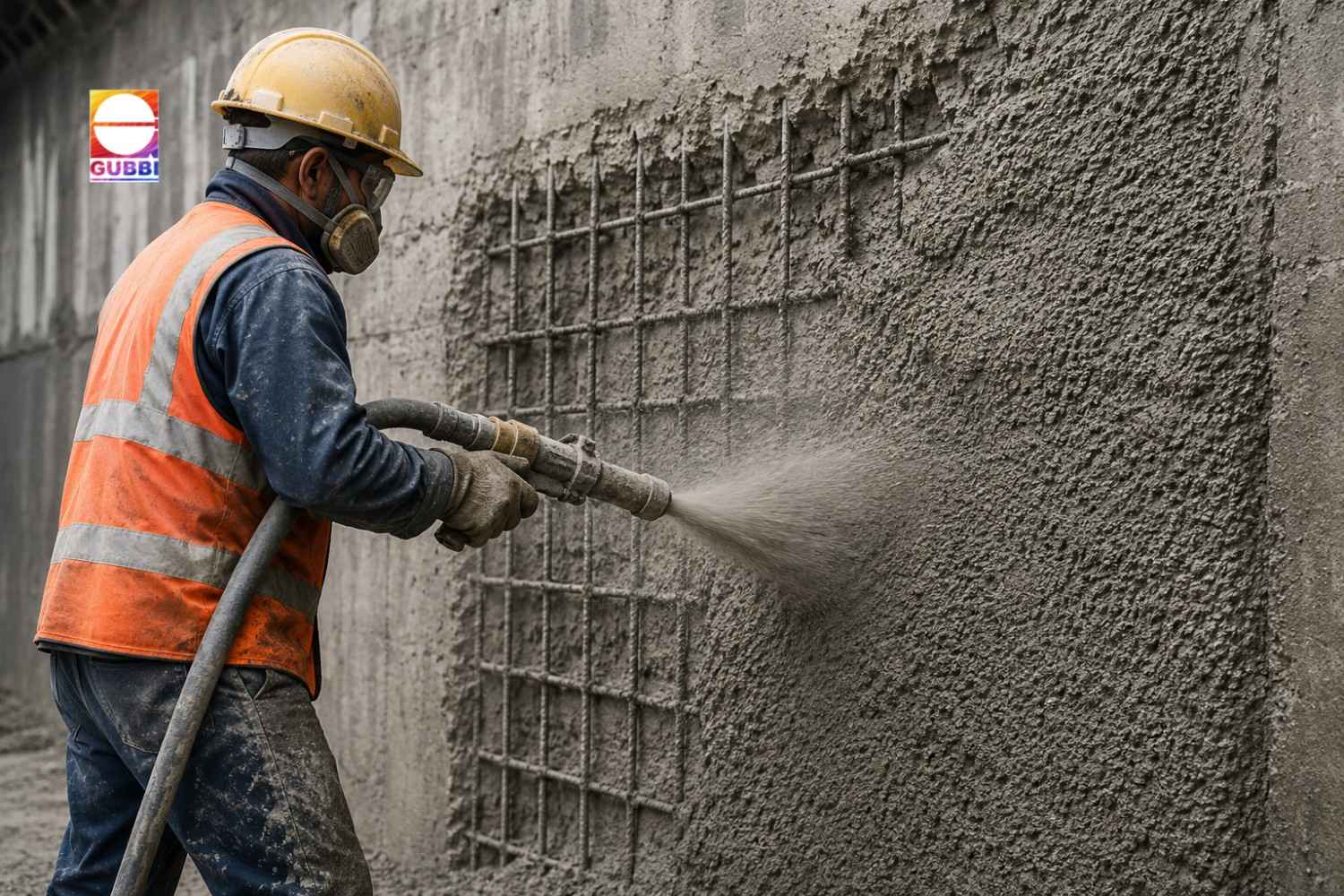
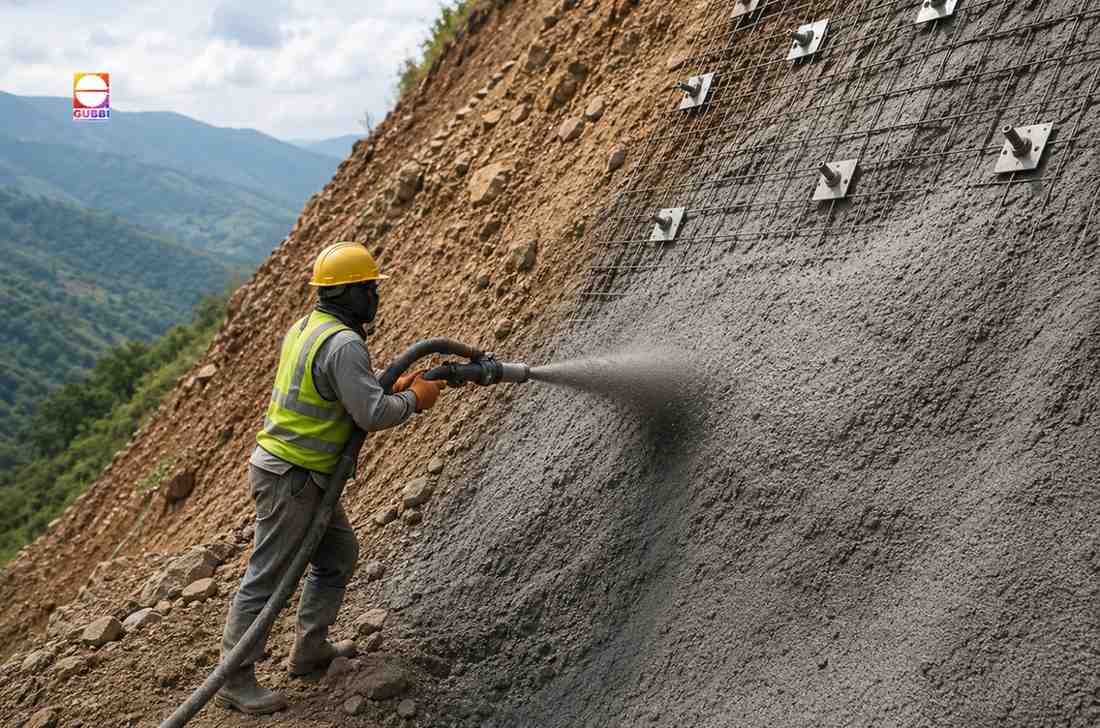
Step-by-step slope stabilization using Shotcreting Services with reinforced shotcrete application on a hillside to prevent erosion and improve structural stability.

Slope stabilization is essential for protecting infrastructure from soil erosion, landslides, rockfalls, and ground instability. Slopes are continuously exposed to rainfall, wind erosion, groundwater movement, and weathering, which gradually weaken the soil and rock mass over time. Whether for highway embankments, railway cuttings, mining sites, hill roads, retaining walls, dams, or industrial facilities, effective slope stabilization is critical to ensuring long-term structural safety, operational reliability, and infrastructure durability.

One of the most reliable and widely adopted methods for slope protection is Shotcreting Services. By pneumatically applying high-strength concrete onto the slope surface, shotcreting creates a durable protective layer that minimizes erosion, strengthens loose surfaces, and enhances the overall stability of the slope.

In this guide, we explain the step-by-step process of slope stabilization using Shotcreting Services and why experienced shotcreting contractors play a critical role in successful slope rehabilitation projects.

Why Slope Stabilization is Important?

Unstable slopes can lead to severe structural and environmental problems, including:

      • Soil erosion during heavy rainfall

      • Rockfall hazards

      • Landslides

      • Damage to roads and railways

      • Foundation instability

      • Drainage failures

      • Increased maintenance costs

      • Safety risks to people and infrastructure

    Professional Shotcreting Services provide an engineered solution that helps extend the service life of slopes while reducing future repair requirements.

    What is Shotcreting for Slope Stabilization?

    Shotcreting is a construction technique where concrete or mortar is sprayed at high velocity onto a prepared surface using specialized equipment. The process creates excellent adhesion, high density, and superior strength without requiring conventional formwork.

    For slope stabilization, shotcrete is commonly combined with:

        • Rock bolts

        • Soil nails

        • Welded wire mesh

        • Reinforcement mesh

        • Drainage systems

        • Anchors

      This integrated system forms a stable and durable slope protection solution.

      Step 1: Detailed Site Inspection and Geotechnical Assessment

      Every successful slope stabilization project begins with a comprehensive site investigation.

      Professional engineers evaluate:

          • Soil characteristics

          • Rock conditions

          • Groundwater movement

          • Existing slope angle

          • Crack patterns

          • Surface erosion

          • Vegetation impact

          • Drainage conditions

          • Load requirements

        This assessment determines the most suitable slope stabilization method and shotcrete thickness.

        A proper investigation helps avoid future failures and ensures the design addresses the root cause of instability.

        Step 2: Engineering Design and Stabilization Planning

        Based on the investigation, engineers prepare a customized stabilization plan.

        The design includes:

            • Shotcrete thickness

            • Reinforcement layout

            • Soil nail spacing

            • Rock bolt locations

            • Mesh reinforcement

            • Drainage provisions

            • Concrete grade

            • Fiber reinforcement (if required)

            • Construction sequence

          Proper engineering design ensures long-term slope performance under varying environmental conditions.

          Step 3: Surface Preparation

          Before applying shotcrete, the slope surface must be thoroughly prepared.

          Surface preparation involves:

              • Removing loose soil

              • Eliminating unstable rock fragments

              • Cleaning dust and debris

              • Removing vegetation

              • Cutting unstable projections

              • Washing the surface where necessary

            Proper surface preparation significantly improves shotcrete bonding and overall durability.

            Step 4: Installation of Soil Nails or Rock Bolts

            Many slope stabilization projects require additional structural reinforcement.

            Depending on site conditions, contractors install:

                • Soil nails

                • Rock bolts

                • Ground anchors

              These reinforcements strengthen the internal structure of the slope and prevent large-scale movement.

              They also improve the effectiveness of the shotcrete facing.

              Step 5: Placement of Reinforcement Mesh

              Steel wire mesh or welded reinforcement mesh is installed over the slope.

              The mesh helps:

                  • Improve tensile strength

                  • Control cracking

                  • Distribute stresses evenly

                  • Enhance bonding with shotcrete

                  • Increase overall durability

                For larger slopes, reinforcement is installed section by section for better quality control.

                Step 6: Drainage System Installation

                Water is one of the primary causes of slope failure.

                Professional Shotcreting Services include drainage solutions such as:

                    • Weep holes

                    • Drain pipes

                    • Horizontal drains

                    • Surface drainage channels

                    • Filter layers

                  Effective drainage relieves hydrostatic pressure behind the shotcrete layer and significantly increases service life.

                  Step 7: Shotcrete Application

                  This is the core stage of the slope stabilization process.

                  Using specialized shotcrete equipment, concrete is pneumatically sprayed onto the prepared slope at high velocity.

                  Professional operators ensure:

                      • Uniform thickness

                      • Excellent compaction

                      • Strong adhesion

                      • Minimal rebound

                      • Complete reinforcement coverage

                      • Smooth surface finish

                    Depending on project requirements, either wet-mix shotcrete or dry-mix shotcrete may be used.

                    The applied layer forms a durable protective shell that resists erosion, weathering, and mechanical damage.

                    Step 8: Layer-by-Layer Construction (If Required)

                    Large stabilization projects often require multiple shotcrete layers.

                    Each layer is applied after achieving the required initial strength.

                    Multiple layers improve:

                        • Structural integrity

                        • Load-bearing capacity

                        • Crack resistance

                        • Long-term durability

                      Layered construction is especially useful for high slopes and heavily weathered rock faces.

                      Step 9: Surface Finishing

                      After shotcrete placement, the surface is finished according to project specifications.

                      Depending on project needs, finishes may include:

                          • Natural textured finish

                          • Smooth finish

                          • Grooved finish

                          • Architectural finish

                        Proper finishing improves both durability and appearance.

                        Step 10: Curing and Quality Control

                        Proper curing is essential for achieving the desired concrete strength.

                        Quality control includes:

                            • Thickness verification

                            • Compressive strength testing

                            • Bond strength evaluation

                            • Rebound inspection

                            • Crack inspection

                            • Surface defect assessment

                            • Reinforcement verification

                          Adequate curing minimizes shrinkage cracks and improves long-term performance.

                          Applications of Shotcreting Services for Slope Stabilization

                          Shotcreting widely used in:

                              • Highway slope stabilization

                              • Railway embankments

                              • Mountain roads

                              • Tunnel portals

                              • Dam slopes

                              • Canal protection

                              • Mining projects

                              • Quarry walls

                              • Industrial facilities

                              • Retaining wall stabilization

                              • Infrastructure rehabilitation projects

                            Benefits of Professional Shotcreting Services

                            Choosing experienced Shotcreting Contractors offers several advantages:

                                • Fast project execution

                                • Superior structural strength

                                • Excellent surface adhesion

                                • Reduced soil erosion

                                • Enhanced slope stability

                                • Minimal maintenance requirements

                                • Improved weather resistance

                                • Longer service life

                                • Cost-effective rehabilitation

                                • Suitable for complex terrain

                                • Reduced need for conventional formwork

                                • Reliable performance in challenging environments

                              Why Hire Experienced Shotcreting Contractors?

                              Slope stabilization requires specialized equipment, skilled operators, and engineering expertise. Poor application can lead to weak bonding, uneven thickness, inadequate reinforcement coverage, and premature deterioration.

                              Experienced Shotcreting Contractors ensure:

                                  • Detailed site evaluation

                                  • Proper mix design

                                  • Accurate reinforcement installation

                                  • Controlled shotcrete application

                                  • Compliance with quality standards

                                  • Durable and safe slope stabilization solutions

                                Professional execution not only improves project quality but also minimizes long-term maintenance costs.

                                What is slope stabilization using shotcreting?

                                Slope stabilization using shotcreting involves spraying high-strength concrete onto soil or rock slopes to create a protective layer that reduces erosion, improves structural stability, and prevents slope failures.

                                Where are Shotcreting Services used for slope stabilization?

                                Shotcreting Services are commonly used for highways, railways, tunnels, dams, mining projects, retaining walls, industrial sites, canal embankments, and hillside developments.

                                Is shotcreting suitable for both soil and rock slopes?

                                Yes. With proper surface preparation and reinforcement, such as soil nails, rock bolts, or wire mesh, shotcreting is effective for stabilizing both soil and rock slopes.

                                What are the advantages of hiring professional Shotcreting Contractors?

                                Professional Shotcreting Contractors ensure correct surface preparation, reinforcement installation, quality-controlled concrete application, proper curing, and long-lasting slope stabilization.

                                How long does a shotcreted slope last?

                                A properly designed and professionally executed shotcrete slope stabilization system can provide decades of reliable performance with routine inspections and maintenance.

                                Conclusion

                                Slope instability can pose significant risks to infrastructure, public safety, and long-term project performance. A systematic approach to stabilization is essential for preventing erosion, landslides, and structural failures.

                                By following a proven process from geotechnical assessment and surface preparation to reinforcement, drainage installation, shotcrete application, and quality control Shotcreting Services provide a durable and cost-effective solution for protecting slopes in demanding environments. 

                                When executed by Gubbi Civil Engineers Limited experienced shotcreting contractors, shotcrete delivers long-lasting structural stability, improved safety, and reliable performance across transportation, industrial, mining, and civil infrastructure projects.
                                How Shotcreting Services Improve Structural Strength Effectively

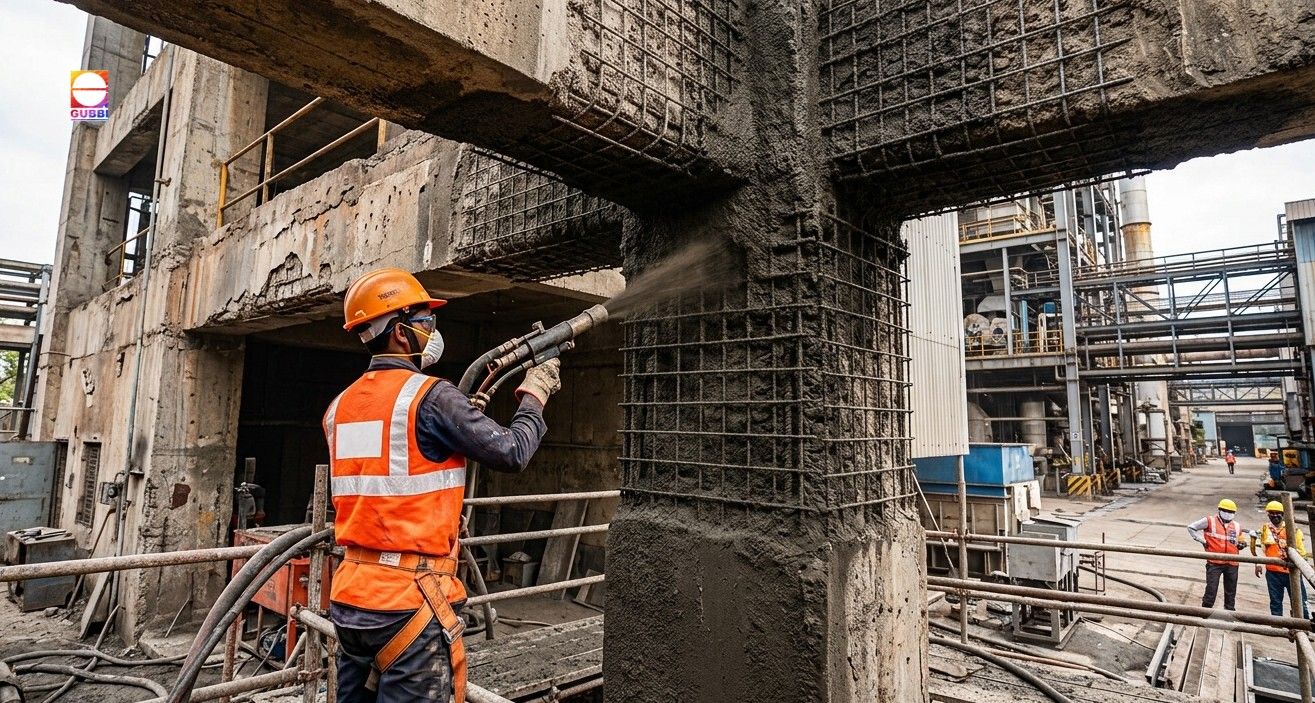
                                Shotcreting services improving structural strength of a deteriorated reinforced concrete beam during rehabilitation

                                Structural strength is the foundation of every safe and durable RCC structure. However, over time, buildings, bridges, retaining walls, tunnels, water tanks, and other reinforced concrete structures can experience a gradual loss of structural strength due to cracks, steel reinforcement corrosion, moisture ingress, environmental exposure, overloading, and material deterioration. If these issues are not addressed through timely structural repairs, they can compromise the load-carrying capacity, durability, and long-term performance of the structure, resulting in costly rehabilitation or even structural failure. 

                                When conventional repair methods become expensive, time-consuming, or disruptive, shotcreting services emerge as one of the most reliable and cost-effective solutions for restoring structural integrity.

                                Professional shotcreting services help strengthen damaged concrete, improve load-bearing performance, and extend the lifespan of structures without major demolition. Whether for residential, commercial, or industrial projects, shotcreting offers durable results for long-term structural rehabilitation.

                                Why Structural Strength Weakens Over Time?

                                Concrete structures are designed for durability, but multiple factors can gradually reduce their strength and performance.

                                Some common reasons for structural weakening include:

                                • Concrete cracks and surface damage
                                • Reinforcement steel corrosion
                                • Water seepage and moisture penetration
                                • Poor-quality construction materials
                                • Heavy structural loads over time
                                • Surface spalling and concrete deterioration
                                • Environmental and weather exposure

                                Ignoring these issues may result in serious structural instability, expensive repairs, and long-term safety risks.

                                This is where professional shotcreting services become an ideal structural strengthening solution.

                                How Shotcreting Services Improve Structural Strength?

                                Shotcreting services are not only used for concrete repair but also for improving the strength, durability, and stability of weakened RCC structures.

                                1. Strengthens Weak RCC Structures

                                One of the biggest advantages of shotcreting services is the ability to restore deteriorated reinforced concrete members.

                                When RCC elements weaken because of corrosion, aging, or cracking, a dense layer of shotcrete is sprayed at high velocity onto the damaged surface. This creates excellent bonding with existing concrete and restores structural performance.

                                Experienced shotcreting contractors ensure proper material application, helping structures regain lost strength and stability.

                                2. Improves Load-Bearing Capacity

                                As buildings and infrastructure age, their load-bearing capacity can reduce significantly.

                                Professional shotcreting services help reinforce and strengthen structural components such as:

                                • Beams
                                • Columns
                                • Retaining walls
                                • Bridges
                                • Parking structures
                                • Industrial plants
                                • Water tanks

                                The additional shotcrete layer improves structural support and enhances overall load resistance.

                                3. Creates Dense and Durable Concrete Protection

                                Unlike traditional concrete repair techniques, shotcreting services involve high-pressure concrete spraying, creating dense and compact layers.

                                This helps reduce:

                                • Air pockets
                                • Weak bonding zones
                                • Surface defects
                                • Water penetration risks

                                The result is stronger concrete with better resistance to wear, environmental damage, and structural deterioration.

                                4. Enhances Structural Durability

                                The goal of any structural repair is not only restoration but also long-term durability.

                                Professional shotcreting services help structures resist:

                                • Moisture intrusion
                                • Reinforcement corrosion
                                • Chemical exposure
                                • Harsh weather conditions
                                • Surface degradation

                                With proper application techniques, experienced shotcrete contractors significantly extend the service life of weakened structures.

                                5. Reduces Structural Cracking

                                Concrete cracks are one of the major causes of structural weakening.

                                By applying a durable shotcrete layer, shotcreting services help control crack propagation and strengthen damaged concrete surfaces.

                                This makes shotcreting an ideal method for:

                                • RCC rehabilitation
                                • Concrete repair
                                • Structural strengthening
                                • Surface restoration projects

                                6. Provides Superior Bonding With Existing Concrete

                                A major reason why shotcreting services are preferred in rehabilitation projects is their strong bonding capability.

                                Shotcrete adheres effectively to:

                                • Vertical surfaces
                                • Overhead concrete sections
                                • Curved structures
                                • Hard-to-access areas

                                This creates a monolithic structure that improves overall strength and performance.

                                7. Ideal for Complex Structural Repair Projects

                                Traditional repair methods often struggle with irregular or damaged surfaces.

                                Professional shotcreting services work efficiently for:

                                • Tunnel rehabilitation
                                • Retaining wall strengthening
                                • Dam repairs
                                • Slope stabilization
                                • Bridge rehabilitation
                                • Marine structures
                                • Industrial concrete repair

                                Its flexibility and adaptability make shotcreting one of the most trusted structural repair methods.

                                Why Hiring Professional Shotcreting Contractors Matters?

                                The quality of structural strengthening depends heavily on proper execution.

                                Hiring experienced shotcreting contractors ensures:

                                Proper Surface Preparation

                                Damaged concrete is carefully cleaned and prepared for strong bonding.

                                Correct Material Mix

                                Experts use high-performance shotcrete materials suitable for structural rehabilitation.

                                Accurate Application Techniques

                                Improper shotcrete application can result in weak adhesion, uneven thickness, or reduced durability.

                                Long-Term Structural Performance

                                Professional shotcrete contractors deliver reliable, safe, and durable strengthening solutions.

                                Choosing trusted contractors directly affects the lifespan and performance of your structure.

                                Signs Your Structure Needs Shotcreting Services

                                You may need professional shotcreting services if your structure shows signs such as:

                                • Visible concrete cracking
                                • Surface concrete spalling
                                • Rusted reinforcement bars
                                • Structural weakness
                                • Water seepage damage
                                • Surface deterioration
                                • Reduced load-bearing performance

                                Early repair can help avoid major reconstruction costs and safety issues.

                                Why Shotcreting Services Are a Cost-Effective Structural Solution?

                                Compared to demolition and reconstruction, shotcreting services provide multiple benefits:

                                • Faster repair completion
                                • Reduced labor costs
                                • Minimal operational downtime
                                • Lower material wastage
                                • Improved durability
                                • Long-term structural protection

                                This makes shotcreting one of the most cost-effective solutions for structural rehabilitation projects.

                                Final Thoughts

                                When it comes to restoring damaged concrete and improving RCC durability, shotcreting services offer one of the most effective structural strengthening methods available.

                                From improving load-bearing capacity and reducing cracks to enhancing durability and structural performance, professional shotcreting services deliver long-lasting repair solutions for residential, commercial, and industrial structures.

                                Contact us today to strengthen your structure with durable and professional shotcreting solutions.

                                Best Shotcreting Techniques for Structural Repair

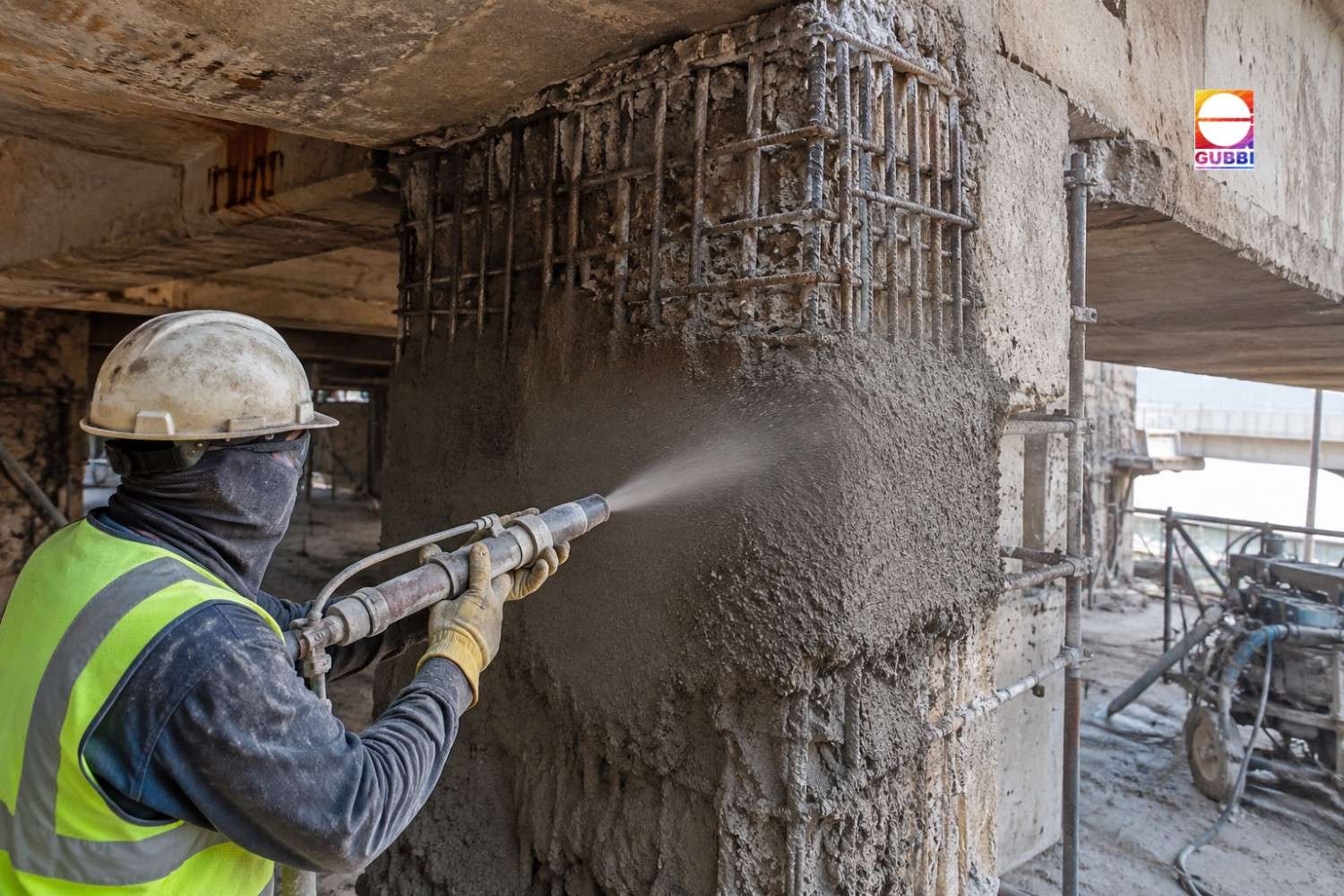
                                Shotcreting techniques used for structural repair and strengthening of deteriorated reinforced concrete column

                                Shotcreting Techniques are critical to the success of structural repair and rehabilitation projects. The effectiveness of shotcrete depends not only on the quality of the repair material but also on the application technique used during execution. Proper shotcreting methods ensure excellent bonding between the existing substrate and the new repair layer, achieve high compaction with low permeability, and create a dense, durable concrete section capable of withstanding long-term service conditions.

                                By utilizing the right shotcreting techniques, engineers and experienced shotcreting contractors can effectively restore structural integrity, enhance load-carrying capacity, improve resistance to environmental deterioration, and extend the service life of aging concrete structures while minimizing downtime, demolition, and repair costs.

                                Why Selecting the Right Shotcreting Techniques Is Critical for Structural Repairs?

                                In structural rehabilitation, the success of a repair is rarely determined by the repair material alone. Even high-performance repair mortars can fail if they are not properly applied. This is particularly true for shotcreting, where the application technique directly influences bond strength, compaction, durability, and long-term structural performance.

                                Whether repairing deteriorated RCC columns, beams, retaining walls, tunnels, water-retaining structures, or industrial concrete assets, selecting the right shotcreting technique is often the difference between a temporary repair and a long-term structural solution.

                                Modern shotcreting services has evolved into a highly engineered rehabilitation process that enables damaged concrete members to regain strength, durability, and serviceability while minimizing downtime and demolition costs.

                                Understanding Structural Requirements Before Shotcreting

                                Before any shotcrete application begins, engineers must identify the actual cause of deterioration rather than focusing solely on visible defects.

                                Common structural issues requiring shotcreting include:

                                  • Reinforcement corrosion and concrete spalling

                                  • Honeycombing and poor original concrete quality

                                  • Fire-damaged structural elements

                                  • Carbonation-induced deterioration

                                  • Chloride attack in coastal structures

                                  • Impact damage and mechanical deterioration

                                  • Increased load demands requiring strengthening

                                  • Aging infrastructure requiring life extension

                                The repair strategy should be designed based on structural assessment findings, load requirements, durability expectations, and environmental exposure conditions.

                                Surface Preparation: The Most Critical Phase

                                One of the most overlooked aspects of successful shotcreting is substrate preparation. Even the highest-quality shotcrete cannot compensate for inadequate surface treatment.

                                For structural repairs, the damaged concrete must be removed until sound concrete is exposed. Loose particles, laitance, contaminants, and corrosion products should be completely eliminated.

                                Key preparation activities include:

                                  • Removal of unsound concrete

                                  • Exposing and cleaning reinforcement

                                  • Corrosion treatment of steel bars

                                  • Surface roughening for mechanical bonding

                                  • Installation of additional reinforcement where required

                                  • Proper cleaning before shotcrete placement

                                A properly prepared substrate significantly improves bond performance and reduces the likelihood of future delamination.

                                Dry-Mix Shotcreting for Rehabilitation Projects

                                Dry-mix shotcreting technique remains one of the most widely used methods for structural repair applications.

                                In this process, dry cementitious materials are conveyed through the hose while water is introduced at the nozzle immediately before projection.

                                Advantages of Dry-Mix Shotcreting Technique

                                  • Suitable for localized repair areas

                                  • Greater control during intermittent work

                                  • Easier equipment mobilization

                                  • Effective for overhead and vertical applications

                                  • Lower material wastage during small-volume repairs

                                Dry-mix systems are particularly useful in rehabilitation projects involving columns, beams, slabs, and confined structural zones where flexibility is essential.

                                Wet-Mix Shotcreting for Large-Scale Structural Repairs

                                For extensive rehabilitation projects, wet-mix shotcreting often provides superior productivity and consistency.

                                The concrete mixture is fully batched and mixed before being pumped to the nozzle, where compressed air accelerates the material onto the repair surface.

                                Benefits of Wet-Mix Shotcreting Technique

                                  • Consistent water-cement ratio

                                  • Higher placement rates

                                  • Reduced rebound losses

                                  • Improved quality control

                                  • Better suitability for large repair volumes

                                Bridges, tunnels, water tanks, marine structures, and industrial facilities frequently benefit from wet-mix shotcrete systems due to their efficiency and uniform material properties.

                                Reinforced Shotcreting for Structural Strengthening

                                Many rehabilitation projects require more than surface repairs. When structural capacity must be increased, reinforced shotcreting becomes an effective strengthening technique.

                                Additional reinforcement can be integrated into the repair system through:

                                  • Welded wire mesh

                                  • Reinforcement cages

                                  • Additional steel bars

                                  • Anchored reinforcement systems

                                Once encapsulated with shotcrete, the composite section acts as an enhanced structural member capable of carrying increased loads and resisting future deterioration.

                                This shotcreting technique is widely used in:

                                  • Column strengthening

                                  • Beam rehabilitation

                                  • Shear wall upgrading

                                  • Seismic retrofitting

                                  • Industrial structure strengthening

                                Layered Shotcreting for Deep Repairs

                                Deep concrete deterioration often requires staged application rather than a single thick placement.

                                The layered shotcreting technique allows engineers to:

                                  • Control shrinkage stresses

                                  • Improve compaction quality

                                  • Reduce thermal cracking risk

                                  • Ensure complete encapsulation of reinforcement

                                Each layer is applied after achieving sufficient stability in the previous layer, creating a dense and durable repair zone.

                                This approach is commonly adopted in heavily deteriorated structural members where repair depths exceed conventional patch repair limitations.

                                Nozzle Technique: The Skill Behind Successful Shotcreting

                                The quality of a shotcrete repair depends heavily on nozzle operation.

                                Incorrect nozzle positioning can result in:

                                  • High rebound losses

                                  • Poor compaction

                                  • Increased voids

                                  • Weak bond development

                                  • Surface defects

                                Experienced nozzle operators maintain:

                                  • Proper nozzle angle

                                  • Consistent distance from substrate

                                  • Uniform material build-up

                                  • Controlled application velocity

                                Experienced shotcreting contractors understand that the success of a structural repair depends not only on materials but also on skilled application techniques that ensure long-term performance and durability.

                                Controlling Rebound and Material Waste

                                Rebound represents material that does not become incorporated into the repair surface.

                                Excessive rebound can negatively affect:

                                  • Repair quality

                                  • Material efficiency

                                  • Project cost

                                  • Structural integrity

                                Effective rebound control requires:

                                  • Proper mix design

                                  • Correct air pressure

                                  • Appropriate nozzle angle

                                  • Skilled application techniques

                                  • Adequate reinforcement spacing

                                Modern shotcreting practices focus on maximizing in-place material while minimizing waste generation.

                                Curing Practices That Improve Long-Term Performance

                                The benefits of shotcreting can be significantly reduced if curing is neglected.

                                Proper curing supports:

                                  • Cement hydration

                                  • Strength development

                                  • Crack resistance

                                  • Durability enhancement

                                  • Reduced permeability

                                Depending on project requirements, curing may involve:

                                  • Water curing

                                  • Curing compounds

                                  • Moist coverings

                                  • Controlled environmental protection

                                For structural rehabilitation works, curing should be treated as a critical engineering activity rather than a post-application formality.

                                Quality Control Measures in Structural Shotcreting

                                Professional shotcreting projects incorporate rigorous quality assurance procedures.

                                Typical quality checks include:

                                  • Compressive strength testing

                                  • Core sampling

                                  • Bond strength evaluation

                                  • Thickness verification

                                  • Density assessment

                                  • Visual inspection for defects

                                Quality control ensures that the repaired section performs as intended under service loads and environmental exposure conditions.

                                Choosing the Right Shotcreting Technique for Your Structure

                                There is no universal shotcreting method suitable for every repair project.

                                The ideal shotcreting technique depends on:

                                  • Extent of deterioration

                                  • Structural function of the member

                                  • Accessibility constraints

                                  • Repair depth requirements

                                  • Environmental exposure conditions

                                  • Strengthening objectives

                                  • Project timeline

                                A comprehensive structural assessment helps determine whether dry-mix, wet-mix, reinforced shotcreting, or a combination approach will provide the most effective rehabilitation outcome.

                                Conclusion

                                Successful structural rehabilitation through shotcreting is achieved by combining proper engineering design, thorough surface preparation, skilled application, and strict quality control. The most effective shotcreting projects are those that address the underlying structural deficiencies while delivering a dense, durable, and well-bonded repair system.

                                When executed using the appropriate technique, shotcreting not only restores damaged concrete but also enhances structural performance, extends service life, and reduces the need for costly replacement. For aging infrastructure, industrial facilities, commercial buildings, and critical RCC assets, professionally engineered shotcreting remains one of the most reliable solutions available for long-term structural repair and strengthening.

                                Shotcreting Technology for Corrosion-Damaged Concrete Structures

                                Shotcreting Technology application for repairing corrosion-damaged RCC concrete structure with exposed reinforcement steel

                                Shotcreting Technology has become one of the most advanced and technically reliable solutions for repairing corrosion-damaged reinforced concrete (RCC) structures exposed to severe environmental and operational deterioration. Over time, prolonged exposure to moisture, chlorides, carbonation, industrial pollutants, coastal conditions, and inadequate maintenance often leads to reinforcement corrosion, concrete cracking, spalling, and loss of structural durability.

                                As corrosion progresses, RCC members begin to experience reduced load-carrying capacity, weakened structural performance, and accelerated concrete deterioration. In modern structural rehabilitation engineering, Shotcreting Technology offers an effective method for restoring damaged concrete sections through high-density concrete application, superior bonding strength, improved compaction, and enhanced durability.

                                Its adaptability for vertical, overhead, and difficult-access structural repairs makes it a preferred rehabilitation technique across industrial, commercial, infrastructure, and residential sectors. For engineers, project consultants, facility owners, and infrastructure managers, understanding the role of Shotcreting Technology can help in selecting a durable and technically sound repair strategy before corrosion damage becomes structurally severe.

                                Understanding Corrosion Damage in RCC Structures

                                Reinforcement corrosion is one of the most common causes of structural deterioration in concrete buildings and infrastructure. Although concrete provides protective alkaline conditions around steel reinforcement, environmental exposure eventually compromises this protection.

                                Common causes of corrosion damage include:

                                Carbonation-Induced Corrosion

                                Carbon dioxide from the atmosphere penetrates concrete and reduces alkalinity levels, eventually exposing reinforcement steel to corrosion risks.

                                Chloride Attack

                                Structures exposed to marine environments, de-icing salts, industrial chemicals, or groundwater contamination experience chloride penetration that accelerates steel corrosion.

                                Water Ingress and Moisture Penetration

                                Continuous water seepage, leakage, poor waterproofing systems, and damp environments contribute significantly to reinforcement deterioration.

                                Cracking and Structural Distress

                                Thermal movements, shrinkage cracks, overloading, and poor workmanship create pathways for moisture and aggressive chemicals to penetrate concrete.

                                Over time, these issues result in:

                                • Concrete delamination
                                • Surface cracking
                                • Reinforcement exposure
                                • Rust staining
                                • Concrete spalling
                                • Reduction in structural durability
                                • Loss of bond strength between steel and concrete

                                If left untreated, corrosion damage can compromise the structural safety and long-term functionality of RCC members.

                                What is Shotcreting Technology?

                                Shotcreting Technology refers to the process of pneumatically projecting concrete or mortar at high velocity onto prepared surfaces using specialized equipment. This method creates highly compacted, dense, and durable concrete layers that bond exceptionally well with existing substrates.

                                Unlike conventional repair methods, shotcreting eliminates many placement limitations associated with manual concrete application, especially in vertical, overhead, and difficult-to-access areas.

                                The process generally involves:

                                1. Surface preparation and removal of deteriorated concrete
                                2. Cleaning and treatment of corroded reinforcement
                                3. Application of corrosion-resistant protective systems
                                4. Installation of reinforcement mesh if strengthening is required
                                5. High-pressure application through shotcreting equipment
                                6. Proper curing and quality assurance checks

                                Due to superior adhesion and minimal formwork requirements, Shotcreting Technology has become an important rehabilitation solution for corrosion-damaged concrete structures.

                                Why Shotcreting Technology is Effective for Corrosion-Damaged Structures?

                                Corrosion-damaged RCC members often require more than superficial patch repair. Structural restoration demands dense, durable, and high-bond repair materials capable of restoring original strength and durability.

                                Superior Bond Strength

                                One of the primary advantages of Shotcreting Technology is its exceptional bond with existing concrete substrates. The high-velocity application ensures strong adhesion, reducing risks of debonding commonly associated with traditional repair systems.

                                This is particularly important for beams, columns, retaining walls, tanks, chimneys, tunnels, and slabs affected by reinforcement corrosion.

                                Dense and Low-Permeability Concrete

                                Shotcreted concrete achieves superior compaction due to high-impact placement. This significantly reduces void formation and permeability, minimizing future water ingress and corrosion risks.

                                Low permeability is essential for structures exposed to:

                                • Coastal environments
                                • Industrial chemical exposure
                                • High humidity zones
                                • Water-retaining structures
                                • Basement and underground infrastructure

                                Suitable for Vertical and Overhead Repairs

                                Traditional concrete placement often becomes difficult in overhead or vertical structural members.

                                Shotcreting Technology offers an efficient solution for:

                                • Ceiling slab rehabilitation
                                • Beam jacketing
                                • Column strengthening
                                • Tunnel lining repairs
                                • Bridge rehabilitation projects

                                The high-pressure application ensures proper material placement without segregation.

                                Reduced Formwork Requirement

                                Since shotcreting uses pneumatic projection, formwork requirements are significantly reduced or eliminated in many repair situations.

                                This results in:

                                • Faster execution
                                • Reduced labor costs
                                • Lower project downtime
                                • Increased productivity

                                For industrial shutdown-sensitive projects, this becomes a major advantage.

                                Structural Strength Enhancement

                                In severe corrosion cases, section loss in RCC members affects load-bearing performance.

                                Shotcreting can be integrated with:

                                • Steel mesh reinforcement
                                • Additional reinforcement bars
                                • Structural retrofitting systems

                                to improve member thickness and restore structural capacity.

                                Applications of Shotcreting Technology in Corrosion Repair

                                RCC Columns and Beam Rehabilitation

                                Corroded RCC columns and beams often experience concrete cover loss and exposed reinforcement.

                                Shotcreting Technology helps restore concrete sections while improving confinement and structural stability.

                                Slab Strengthening and Overhead Repairs

                                Water leakage and reinforcement corrosion frequently affect suspended slabs.

                                Shotcreting enables effective overhead concrete repair with excellent adhesion and durability.

                                Marine and Coastal Structures

                                Coastal infrastructure experiences severe chloride-induced corrosion.

                                Shotcreting is commonly used for:

                                • Jetty structures
                                • Marine retaining walls
                                • Coastal buildings
                                • Port infrastructure

                                because of its dense and durable concrete properties.

                                Industrial Structures

                                Chemical plants, factories, cooling towers, silos, and chimneys often suffer corrosion due to aggressive industrial environments.

                                Shotcreting provides a durable rehabilitation method for restoring deteriorated structural components.

                                Bridges and Infrastructure Rehabilitation

                                Bridge piers, retaining walls, flyovers, and transportation infrastructure frequently require strengthening due to environmental deterioration.

                                Shotcreting allows rapid and technically sound rehabilitation without major demolition.

                                Important Steps Before Shotcreting Corrosion-Damaged Concrete

                                Successful rehabilitation depends heavily on proper technical assessment before repair execution.

                                Structural Condition Assessment

                                A detailed engineering investigation helps determine:

                                • Extent of corrosion damage
                                • Reinforcement condition
                                • Structural stability
                                • Repair depth requirements

                                Removal of Unsound Concrete

                                Damaged and delaminated concrete must be removed until sound concrete surfaces are exposed.

                                Reinforcement Treatment

                                Corroded reinforcement should be:

                                • Cleaned through mechanical methods
                                • Rust removed thoroughly
                                • Replaced if section loss is excessive
                                • Protected using anti-corrosion systems

                                Surface Preparation

                                Proper roughening and cleaning ensure strong bonding between old and new material.

                                Material Selection

                                Selecting suitable shotcrete material with required compressive strength, durability, and shrinkage resistance is critical for long-term performance.

                                Benefits of Choosing Shotcreting Technology Over Conventional Repair Methods

                                Compared to conventional repair techniques, Shotcreting Technology offers several engineering advantages:

                                Parameter Conventional Repair Shotcreting Technology
                                Bond Strength Moderate High
                                Compaction Manual High-density
                                Vertical Repairs Difficult Highly suitable
                                Overhead Application Limited Excellent
                                Speed of Execution Slower Faster
                                Durability Moderate Superior
                                Formwork Requirement High Minimal

                                For corrosion rehabilitation projects requiring long-term durability and structural reliability, shotcreting provides measurable technical advantages.

                                How to Identify When a Structure Needs Shotcreting Repair?

                                Property owners and facility managers should consider professional structural assessment if they notice:

                                • Cracks in beams or columns
                                • Rust stains on concrete surfaces
                                • Exposed reinforcement bars
                                • Concrete spalling
                                • Water seepage issues
                                • Hollow-sounding concrete surfaces
                                • Structural distress signs

                                Early intervention using Shotcreting Technology can prevent costly reconstruction and major structural failures.

                                Why Professional Shotcreting Execution Matters?

                                Even the best repair methodology can fail without technical execution expertise.

                                Successful shotcreting depends on:

                                • Proper nozzle technique
                                • Correct water-cement ratio
                                • Surface preparation standards
                                • Rebound material control
                                • Skilled shotcreting operators
                                • Engineering supervision
                                • Quality assurance testing

                                Working with experienced structural rehabilitation specialists ensures repair quality, durability, and engineering compliance.

                                Conclusion

                                Corrosion damage remains one of the leading causes of deterioration in RCC structures across industrial, commercial, and infrastructure sectors. Delayed intervention often results in increased repair costs, structural risks, and reduced service life.

                                By combining dense concrete placement, superior adhesion, high durability, and adaptability to complex repair conditions, Shotcreting Technology offers an effective and technically advanced solution for corrosion-damaged structures.

                                Whether addressing deteriorated beams, columns, slabs, industrial facilities, marine structures, or infrastructure assets, professionally executed shotcreting services can significantly improve structural integrity and extend asset life.

                                If your RCC structure is experiencing corrosion-related deterioration, investing in timely structural rehabilitation using advanced Shotcreting Technology can help restore strength, improve safety, and prevent further damage.

                                Shotcreting Work in India for Concrete Strengthening

                                Shotcreting work in India for concrete strengthening of RCC structure using sprayed concrete for structural rehabilitation

                                Shotcreting work is one of the most effective solutions for repairing and strengthening deteriorated RCC structures in India. Due to aging infrastructure, reinforcement corrosion, carbonation, chloride attack, water ingress, environmental exposure, overloading, poor workmanship, and inadequate maintenance, concrete structures gradually lose their strength and durability over time. These issues often lead to cracks, spalling concrete, reduced load-bearing capacity, and weakened structural performance, creating serious concerns for long-term safety and service life.

                                In many aging RCC buildings and infrastructure projects, untreated structural damage can worsen due to continuous exposure to moisture, industrial pollutants, coastal conditions, temperature variations, and increasing operational loads. As deterioration progresses, the bond between concrete and reinforcement weakens, affecting the overall stability and durability of the structure. Timely structural rehabilitation becomes essential to prevent further damage and avoid expensive reconstruction costs.

                                Shotcreting services provide an efficient and durable rehabilitation solution by applying high-strength concrete or mortar at high velocity over damaged surfaces. This process forms a dense, compact, and highly bonded layer that helps restore structural integrity, improve load-bearing capacity, increase durability, and protect reinforcement from further corrosion. As a result, shotcreting work is widely used in rehabilitation projects for bridges, tunnels, retaining walls, industrial plants, commercial buildings, and other RCC structures requiring long-term strengthening and repair.

                                Understanding Shotcreting Work in Structural Engineering

                                Shotcreting is a process of pneumatically applying mortar or concrete at high velocity onto a prepared substrate surface through specialized equipment. Due to the impact compaction achieved during spraying, shotcrete develops superior density, reduced permeability, and enhanced bonding with existing concrete surfaces.

                                From a civil engineering standpoint, shotcreting work is particularly advantageous where conventional concrete placement becomes impractical due to accessibility constraints, overhead applications, vertical surfaces, or geometrical complexity.

                                The process generally consists of:

                                  • Surface preparation and substrate treatment

                                  • Reinforcement cleaning or augmentation

                                  • Installation of welded wire mesh or reinforcement where required

                                  • Pneumatic placement of concrete/mortar

                                  • Controlled finishing and curing

                                For concrete strengthening applications, shotcreting acts as an additional structural layer capable of improving stiffness, durability, and section capacity.

                                Why Concrete Strengthening Becomes Necessary in RCC Structures?

                                Concrete strengthening interventions are generally required when an existing structure demonstrates inadequate structural performance or distress conditions.

                                The most common causes include:

                                1. Reinforcement Corrosion

                                Corrosion-induced expansion of reinforcement steel creates tensile stresses within concrete, leading to cracking, spalling, delamination, and eventual reduction in section effectiveness.

                                This is particularly common in:

                                  • Coastal structures

                                  • Industrial chemical environments

                                  • Water-retaining structures

                                  • Parking decks and podiums

                                2. Reduction in Load Carrying Capacity

                                Many existing buildings undergo functional modifications that increase loading conditions beyond original design assumptions.

                                Examples include:

                                  • Installation of heavy industrial equipment

                                  • Floor load enhancement in factories

                                  • Vertical expansion of buildings

                                  • Change in occupancy type

                                Under such circumstances, structural strengthening becomes mandatory.

                                3. Concrete Distress and Surface Deterioration

                                Environmental degradation mechanisms such as:

                                  • Carbonation

                                  • Sulphate attack

                                  • Freeze-thaw damage

                                  • Moisture ingress

                                  • Chemical exposure

                                can reduce concrete durability and compromise structural integrity.

                                4. Construction Deficiencies

                                Poor compaction, honeycombing, insufficient cover, improper curing, or low-grade concrete frequently necessitate rehabilitation measures.

                                Advantages of Shotcreting Work for Concrete Strengthening

                                Superior Bond Strength

                                One of the key technical advantages of shotcreting work lies in its exceptional bond development with existing concrete surfaces.

                                The high-velocity placement mechanism ensures mechanical interlocking between the substrate and newly applied concrete, minimizing the risk of interface separation.

                                This becomes critical in strengthening applications involving:

                                  • RCC beams

                                  • Columns

                                  • Shear walls

                                  • Slabs

                                  • Retaining structures

                                Proper substrate roughening significantly enhances composite action.

                                High Density and Low Permeability

                                Shotcrete develops superior compaction compared to manually placed concrete due to impact energy during spraying.

                                This results in:

                                  • Reduced void formation

                                  • Lower permeability

                                  • Improved resistance to water ingress

                                  • Enhanced durability against aggressive environments

                                Such properties are essential in rehabilitation works exposed to moisture or industrial chemicals.

                                Elimination of Conventional Formwork

                                Unlike traditional jacketing or cast-in-place repair systems, shotcreting requires minimal or no shuttering in many applications.

                                This offers substantial benefits:

                                  • Reduced project duration

                                  • Lower labor dependency

                                  • Faster rehabilitation cycles

                                  • Better execution in confined spaces

                                For industrial shutdown projects, this significantly minimizes operational downtime.

                                Flexibility in Complex Geometries

                                Shotcrete application can be effectively carried out on:

                                  • Curved surfaces

                                  • Vertical structures

                                  • Overhead applications

                                  • Irregular structural profiles

                                Hence, it is highly suitable for tunnel rehabilitation, domes, retaining walls, and hydraulic structures.

                                Shotcreting Techniques Used in India

                                Wet Mix Shotcreting

                                In wet mix shotcreting, concrete ingredients are premixed prior to pumping and compressed air is introduced at the nozzle.

                                Technical Advantages of wet mix shotcreting:

                                  • Better mix homogeneity

                                  • Higher output capacity

                                  • Reduced dust generation

                                  • Lower rebound losses

                                  • Suitable for large-scale strengthening projects

                                Wet mix shotcreting is commonly preferred for infrastructure rehabilitation and heavy industrial applications.

                                Dry Mix Shotcreting

                                In dry mix systems, cement and aggregates remain dry until water is introduced at the nozzle during application.

                                Technical Advantages of dry mix shotcreting:

                                  • Greater flexibility in intermittent work

                                  • Easier equipment mobilization

                                  • Better control for repair patches

                                  • Suitable for localized strengthening

                                Dry mix systems are generally adopted for repair and maintenance activities.

                                Structural Applications of Shotcreting for Concrete Strengthening

                                RCC Beam and Column Strengthening

                                Shotcrete is commonly used to increase the effective cross-sectional area of beams and columns subjected to deterioration or higher loading requirements.

                                The process may involve:

                                  • Reinforcement addition

                                  • Shear strengthening

                                  • Section enlargement

                                  • Corrosion repair

                                Retaining Wall Rehabilitation

                                Retaining walls subjected to soil pressure, seepage, and weathering often develop distress over time.

                                Shotcreting enhances:

                                  • Surface stability

                                  • Crack resistance

                                  • Structural continuity

                                  • Durability performance

                                Tunnel and Underground Structures

                                Shotcrete serves as both temporary and permanent support in tunnels.

                                Applications include:

                                  • Rock stabilization

                                  • Surface protection

                                  • Structural lining rehabilitation

                                  • Ground support enhancement

                                Industrial RCC Structures

                                Industrial facilities frequently undergo deterioration due to:

                                  • Chemical attack

                                  • Thermal exposure

                                  • Vibration loading

                                  • Mechanical abrasion

                                Shotcreting offers a practical strengthening solution for chimneys, bunkers, silos, and heavy-duty RCC systems.

                                Bridge Rehabilitation

                                Bridge decks, piers, abutments, and girders suffering from concrete deterioration can be strengthened through controlled shotcrete placement.

                                Important Technical Considerations Before Shotcreting Work

                                From a structural engineering perspective, successful shotcreting services depends on detailed pre-rehabilitation assessment.

                                Key considerations include:

                                Structural Condition Assessment

                                Before execution, engineers must evaluate:

                                  • Crack mapping

                                  • Core test results

                                  • Carbonation depth

                                  • Rebound hammer testing

                                  • Half-cell potential testing

                                  • Reinforcement corrosion assessment

                                Surface Preparation

                                Improper surface preparation remains one of the most common causes of repair failure.

                                The substrate should be:

                                  • Mechanically roughened

                                  • Free from dust and laitance

                                  • Moisture conditioned

                                  • Properly bonded using approved methods

                                Material Selection

                                Mix design selection depends on:

                                  • Structural requirement

                                  • Exposure condition

                                  • Strength requirement

                                  • Durability criteria

                                Polymer-modified and fiber-reinforced shotcrete systems are increasingly preferred for demanding environments.

                                Skilled Applicator Requirement

                                Nozzleman expertise significantly influences shotcrete quality.

                                Improper spraying may lead to:

                                  • Excess rebound

                                  • Voids behind reinforcement

                                  • Poor compaction

                                  • Weak bond strength

                                Hence, contractor competency remains a critical factor.

                                Conclusion

                                As India’s infrastructure, industrial facilities, and RCC structures continue to age, the demand for technically sound and durable structural rehabilitation methods is steadily increasing. Many buildings, bridges, retaining walls, and industrial structures experience deterioration due to reinforcement corrosion, environmental exposure, excessive loading, water ingress, and long-term material degradation. In such conditions, shotcreting work in India for concrete strengthening has emerged as one of the most efficient and structurally reliable techniques for restoring deteriorated RCC members and extending their functional service life.

                                Its superior bonding capability, dense concrete compaction, low permeability, and adaptability to complex structural geometries make shotcreting highly effective for rehabilitation projects. Unlike conventional repair methods, shotcreting can be efficiently applied on vertical, inclined, and overhead surfaces while achieving strong adhesion with the existing substrate. This makes it particularly suitable for strengthening beams, columns, retaining walls, tunnels, industrial structures, and damaged concrete surfaces requiring high-performance structural restoration.

                                For structures facing deterioration, reduced strength, reinforcement corrosion, cracking, or rehabilitation requirements, professional shotcreting contractors provide a technically robust and economically practical strengthening solution. When executed using proper surface preparation, quality-controlled materials, and skilled application techniques, shotcreting significantly improves structural integrity, load-bearing performance, durability, and resistance against future deterioration, helping property owners reduce long-term maintenance and repair costs.

                                How Shotcreting Services Improve Structural Strength Effectively

                                Professional shotcreting services improving structural strength of damaged RCC concrete wall using shotcrete application

                                Structural damage is one of the biggest concerns for property owners, builders, industries, and infrastructure managers. Over time, buildings, bridges, retaining walls, tunnels, water tanks, and RCC structures begin to weaken due to cracks, moisture damage, steel corrosion, environmental exposure, and heavy structural loads.

                                When conventional repair methods become expensive, time-consuming, or disruptive, shotcreting services emerge as one of the most reliable and cost-effective solutions for restoring structural integrity.

                                Professional shotcreting services help strengthen damaged concrete, improve load-bearing performance, and extend the lifespan of structures without major demolition. Whether for residential, commercial, or industrial projects, shotcreting offers durable results for long-term structural rehabilitation.

                                Why Structural Strength Weakens Over Time?

                                Concrete structures are designed for durability, but multiple factors can gradually reduce their strength and performance.

                                Some common reasons for structural weakening include:

                                • Concrete cracks and surface damage
                                • Reinforcement steel corrosion
                                • Water seepage and moisture penetration
                                • Poor-quality construction materials
                                • Heavy structural loads over time
                                • Surface spalling and concrete deterioration
                                • Environmental and weather exposure

                                Ignoring these issues may result in serious structural instability, expensive repairs, and long-term safety risks.

                                This is where professional shotcreting services become an ideal structural strengthening solution.

                                How Shotcreting Services Improve Structural Strength?

                                Shotcreting services are not only used for concrete repair but also for improving the strength, durability, and stability of weakened RCC structures.

                                1. Strengthens Weak RCC Structures

                                One of the biggest advantages of shotcreting services is the ability to restore deteriorated reinforced concrete members.

                                When RCC elements weaken because of corrosion, aging, or cracking, a dense layer of shotcrete is sprayed at high velocity onto the damaged surface. This creates excellent bonding with existing concrete and restores structural performance.

                                Experienced shotcreting contractors ensure proper material application, helping structures regain lost strength and stability.

                                2. Improves Load-Bearing Capacity

                                As buildings and infrastructure age, their load-bearing capacity can reduce significantly.

                                Shotcreting help reinforce and strengthen structural components such as:

                                • Beams
                                • Columns
                                • Retaining walls
                                • Bridges
                                • Parking structures
                                • Industrial plants
                                • Water tanks

                                The additional shotcrete layer improves structural support and enhances overall load resistance.

                                3. Creates Dense and Durable Concrete Protection

                                Unlike traditional concrete repair techniques, shotcreting services involve high-pressure concrete spraying, creating dense and compact layers.

                                This helps reduce:

                                • Air pockets
                                • Weak bonding zones
                                • Surface defects
                                • Water penetration risks

                                The result is stronger concrete with better resistance to wear, environmental damage, and structural deterioration.

                                4. Enhances Structural Durability

                                The goal of any structural repair is not only restoration but also long-term durability.

                                Shotcreting help structures resist:

                                • Moisture intrusion
                                • Reinforcement corrosion
                                • Chemical exposure
                                • Harsh weather conditions
                                • Surface degradation

                                With proper application techniques, experienced shotcrete contractors significantly extend the service life of weakened structures.

                                5. Reduces Structural Cracking

                                Concrete cracks are one of the major causes of structural weakening.

                                By applying a durable shotcrete layer, shotcreting services help control crack propagation and strengthen damaged concrete surfaces.

                                This makes shotcreting an ideal method for:

                                • RCC rehabilitation
                                • Concrete repair
                                • Structural strengthening
                                • Surface restoration projects

                                6. Provides Superior Bonding With Existing Concrete

                                A major reason why shotcreting services are preferred in rehabilitation projects is their strong bonding capability.

                                Shotcrete adheres effectively to:

                                • Vertical surfaces
                                • Overhead concrete sections
                                • Curved structures
                                • Hard-to-access areas

                                This creates a monolithic structure that improves overall strength and performance.

                                7. Ideal for Complex Structural Repair Projects

                                Traditional repair methods often struggle with irregular or damaged surfaces.

                                Shotcrete work efficiently for:

                                • Tunnel rehabilitation
                                • Retaining wall strengthening
                                • Dam repairs
                                • Slope stabilization
                                • Bridge rehabilitation
                                • Marine structures
                                • Industrial concrete repair

                                Its flexibility and adaptability make shotcreting one of the most trusted structural repair methods.

                                Why Hiring Professional Shotcreting Contractors Matters?

                                The quality of structural strengthening depends heavily on proper execution.

                                Hiring experienced shotcreting contractors ensures:

                                Proper Surface Preparation

                                Damaged concrete is carefully cleaned and prepared for strong bonding.

                                Correct Material Mix

                                Experts use high-performance shotcrete materials suitable for structural rehabilitation.

                                Accurate Application Techniques

                                Improper shotcrete application can result in weak adhesion, uneven thickness, or reduced durability.

                                Long-Term Structural Performance

                                Shotcreting contractors deliver reliable, safe, and durable strengthening solutions.

                                Choosing trusted contractors directly affects the lifespan and performance of your structure.

                                Industries That Benefit From Shotcreting Services

                                Shotcreting services are widely used across different sectors, including:

                                • Residential buildings
                                • Commercial properties
                                • Industrial structures
                                • Infrastructure projects
                                • Water treatment plants
                                • Bridges and flyovers
                                • Retaining walls
                                • Underground tunnels

                                Because of its durability and efficiency, shotcreting remains a preferred solution for structural rehabilitation.

                                Signs Your Structure Needs Shotcreting Services

                                You may need shotcreting services if your structure shows signs such as:

                                • Visible concrete cracking
                                • Surface concrete spalling
                                • Rusted reinforcement bars
                                • Structural weakness
                                • Water seepage damage
                                • Surface deterioration
                                • Reduced load-bearing performance

                                Early repair can help avoid major reconstruction costs and safety issues.

                                Why Shotcreting Services Are a Cost-Effective Structural Solution?

                                Compared to demolition and reconstruction, shotcreting provide multiple benefits:

                                • Faster repair completion
                                • Reduced labor costs
                                • Minimal operational downtime
                                • Lower material wastage
                                • Improved durability
                                • Long-term structural protection

                                This makes shotcreting one of the most cost-effective solutions for structural rehabilitation projects.

                                Final Thoughts

                                When it comes to restoring damaged concrete and improving RCC durability, shotcreting services offer one of the most effective structural strengthening methods available.

                                From improving load-bearing capacity and reducing cracks to enhancing durability and structural performance, professional shotcreting services deliver long-lasting repair solutions for residential, commercial, and industrial structures.

                                Shotcreting contractors ensures your damaged concrete structures are repaired safely, efficiently, and with long-term durability in mind.